
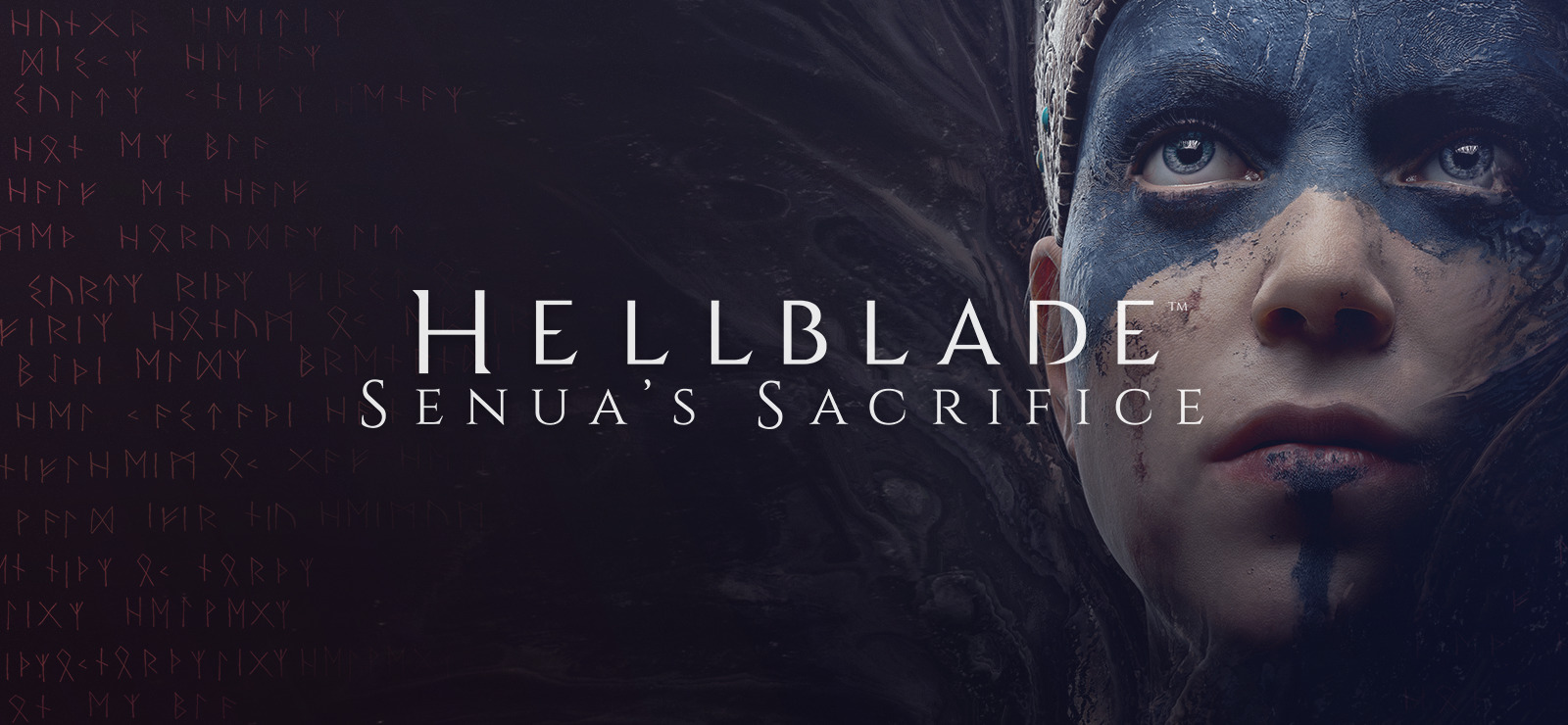
Hellblade: Senua’s Sacrifice is a dark fantasyaction-adventure game developed and published by the British video game development studio Ninja Theory. Self-described as an “independentAAA game”, it was created by a team of approximately twenty developers led by writer and director Tameem Antoniades. It was released worldwide for Microsoft Windows and PlayStation 4 in August 2017, with an Xbox One version in April 2018. The game features support for virtual reality, which was added in an update in 2018.
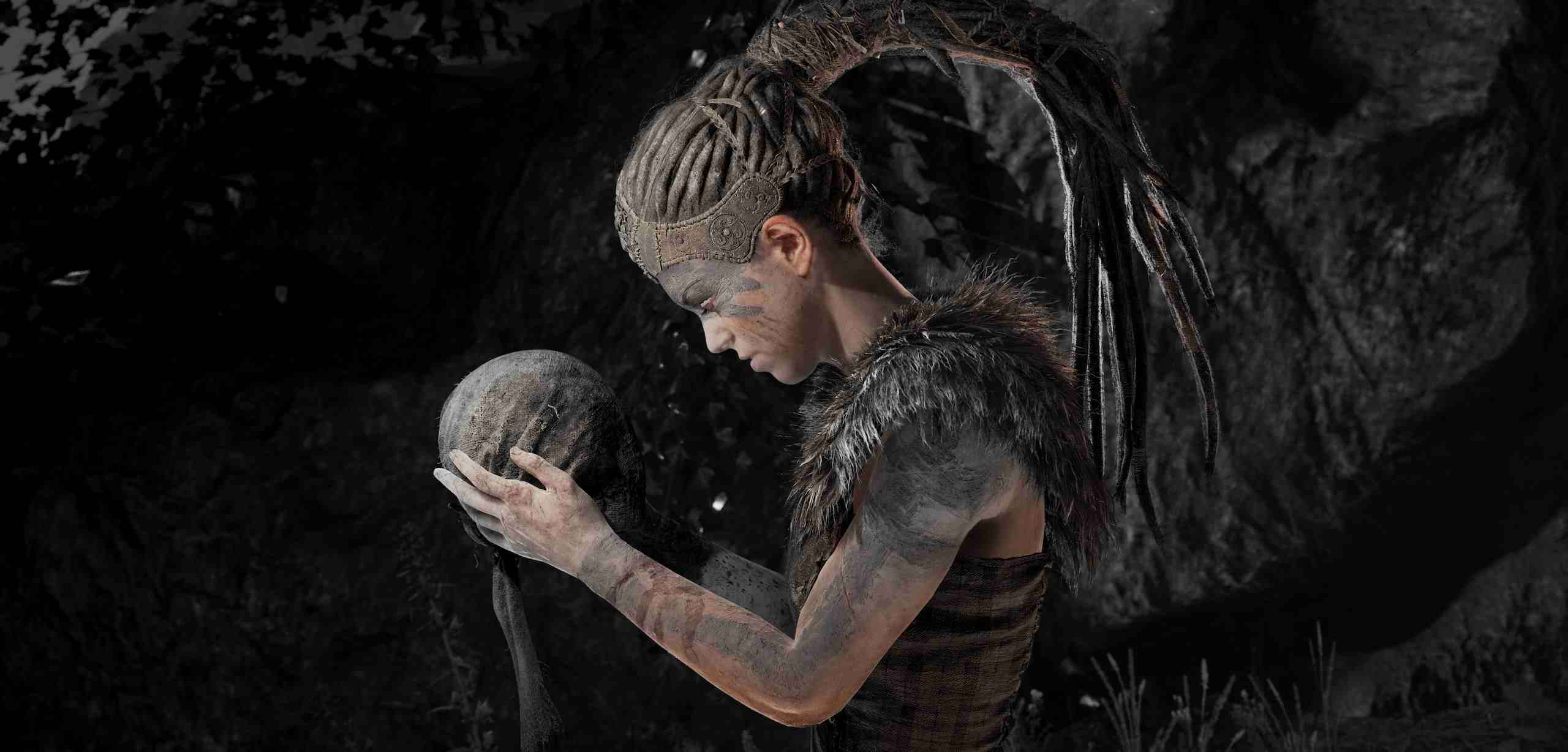
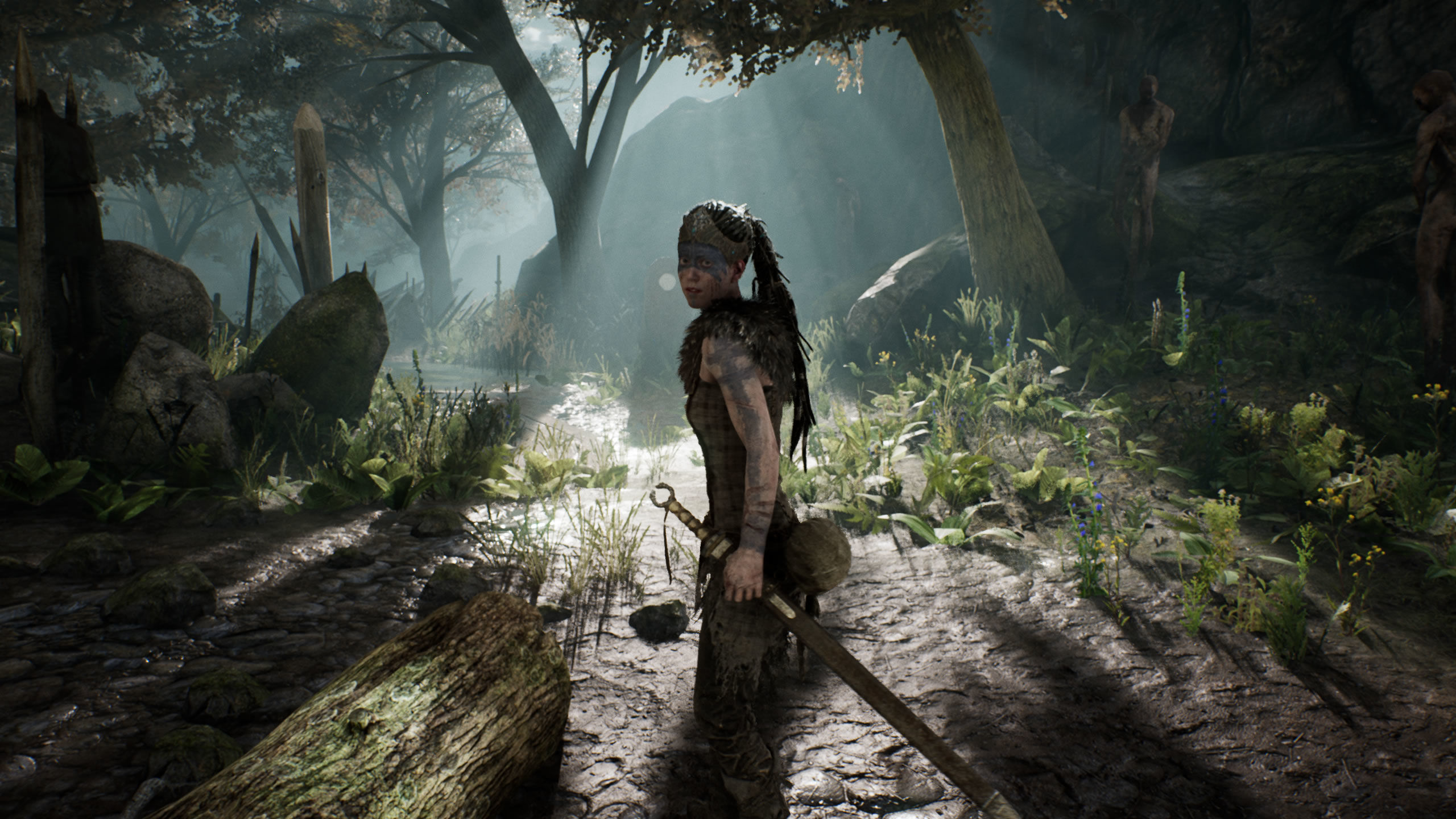
Inspired by Norse mythology and Celtic culture, Hellblade follows Senua, a Pict warrior who must make her way to Helheim by defeating otherworldly entities and facing their challenges, in order to rescue the soul of her dead lover from the goddess Hela. In parallel, the game acts as a metaphor for the character’s struggle with psychosis, as Senua, who suffers from the condition but believes it to be a curse, is haunted by an entity known as the “Darkness”, voices in her head known as “Furies”, and memories from her past. To properly represent psychosis, developers worked closely with neuroscientists, mental health specialists, and people suffering from the condition.
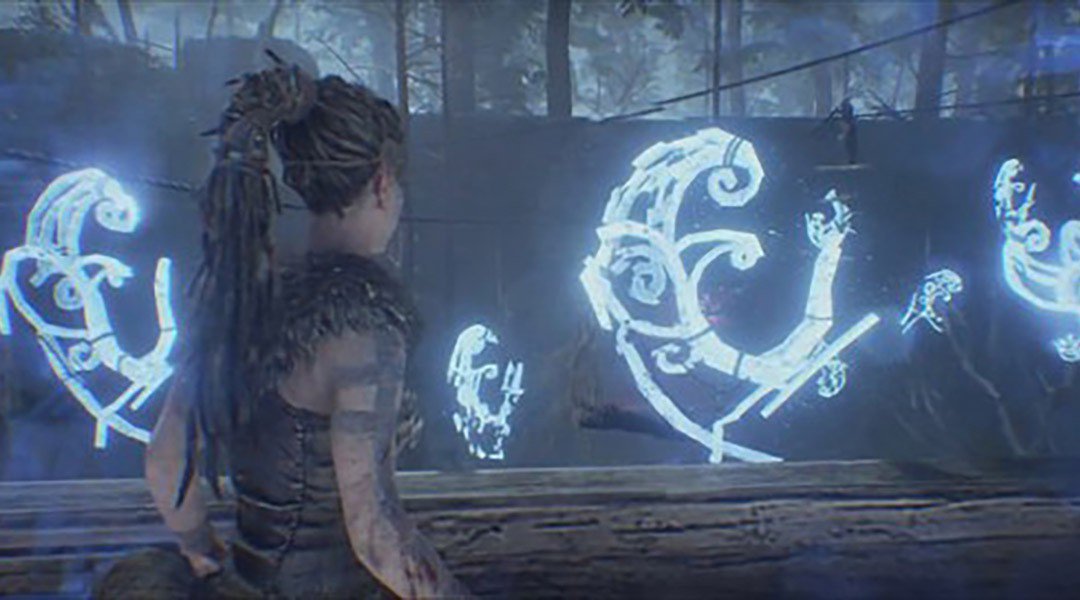
Rune Puzzle 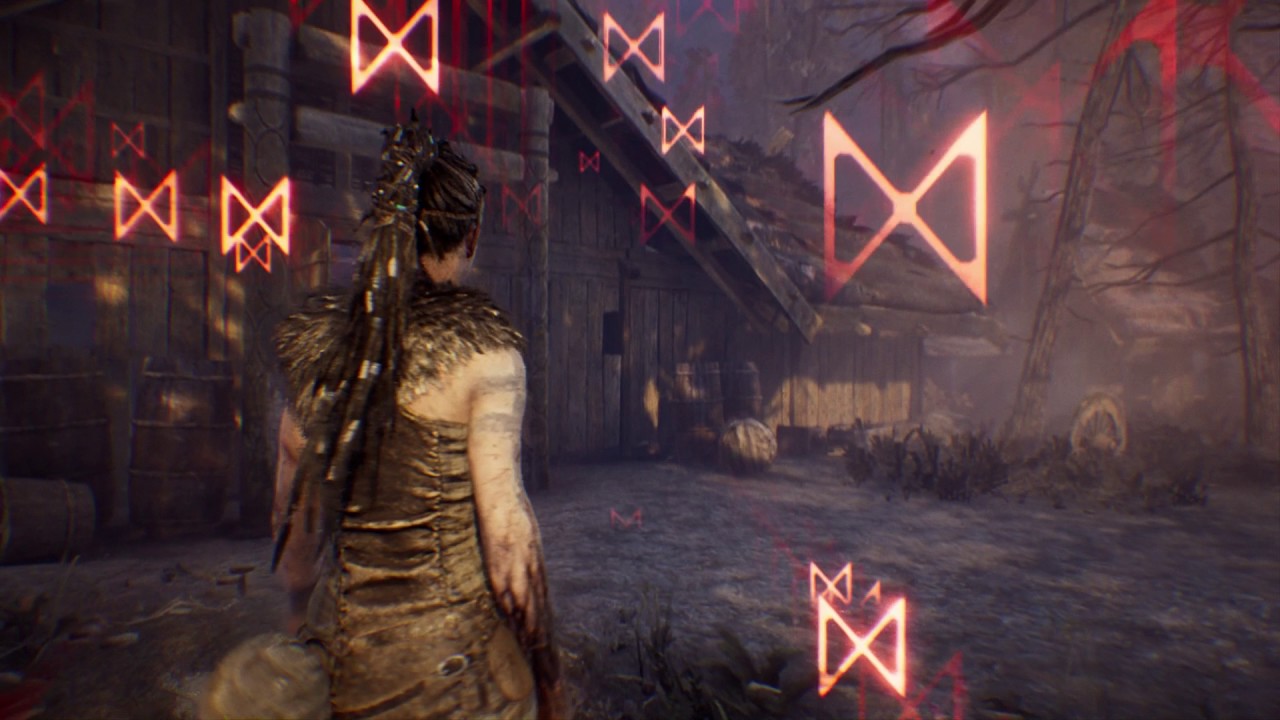
Red Gate puzzle 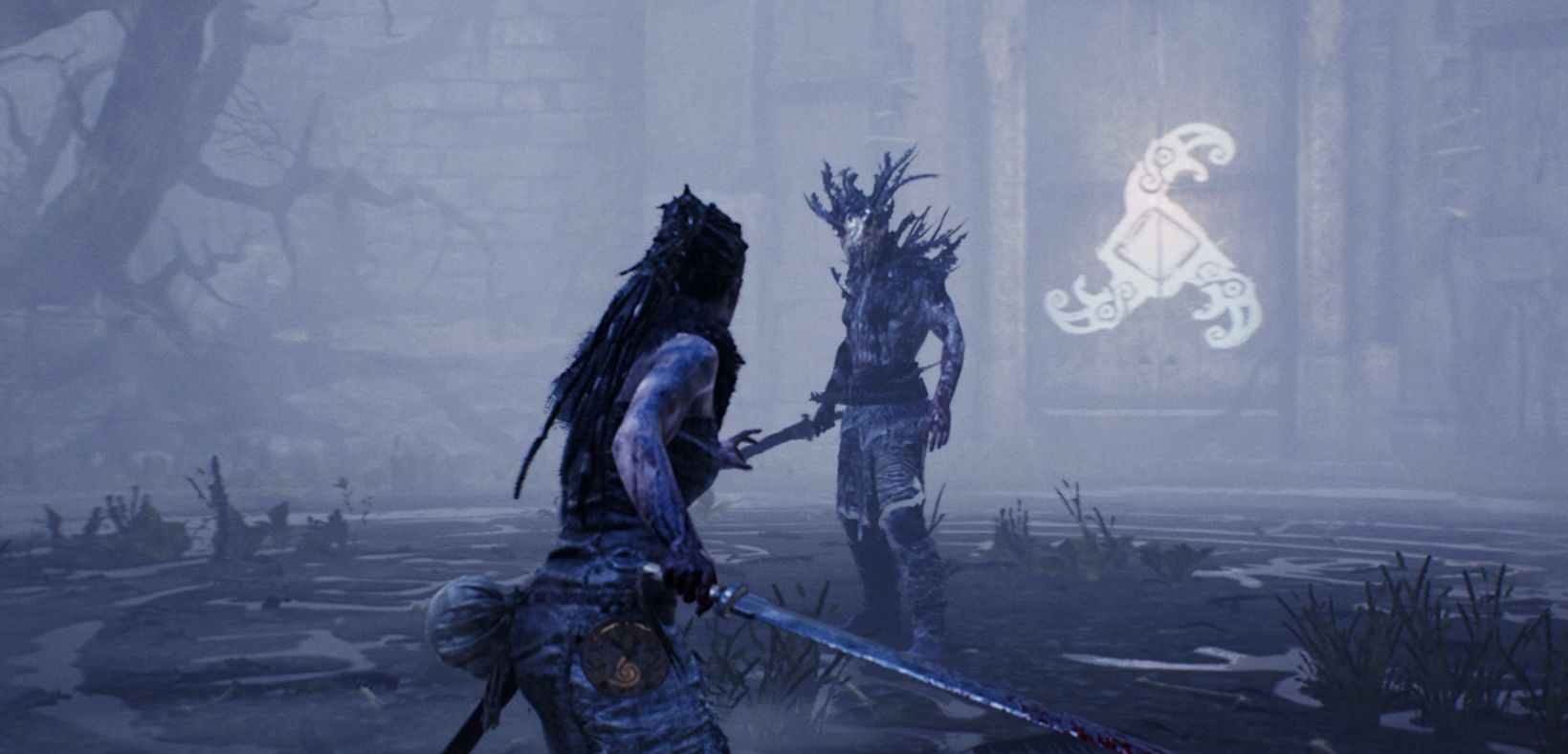
Boss Fight ( Valravn) 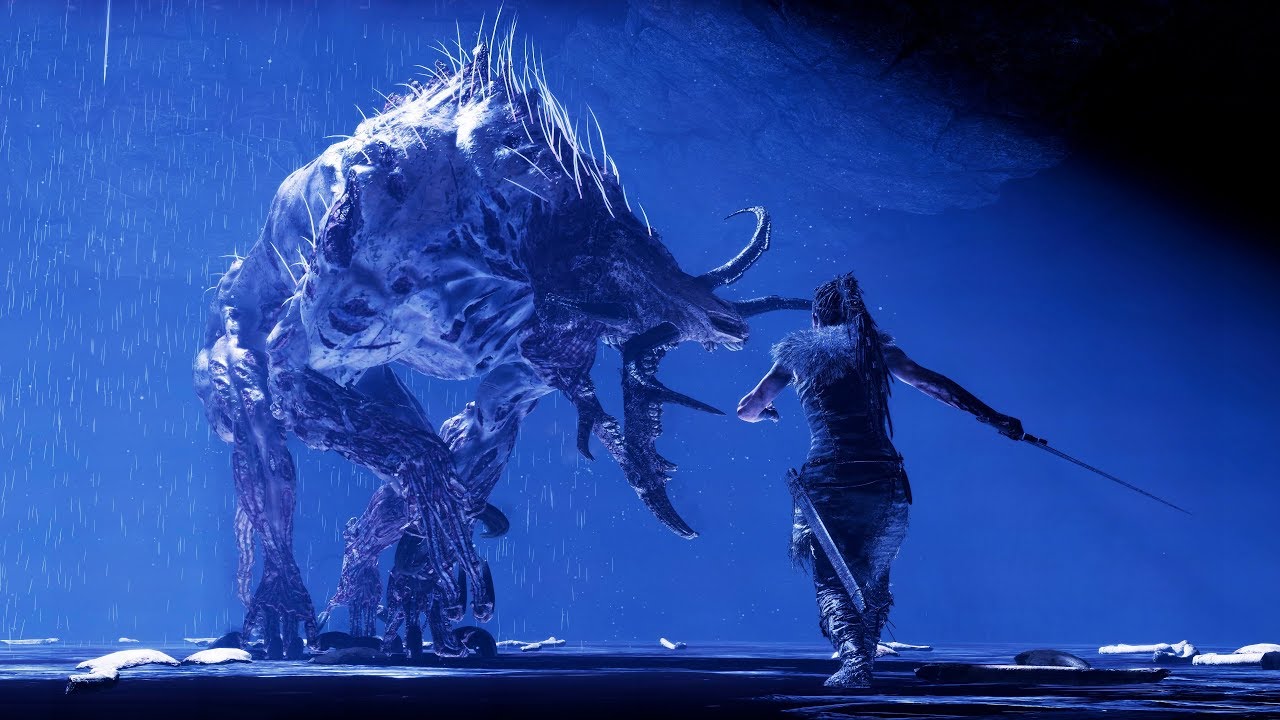
Boss Fight (Fenrir)
The game blends several genres, including hack and slash, puzzle solving, and psychological horror. Voice acting is an integral part of the game, while its cutscenes combine motion capture by Melina Juergens(Actress) and live action performances by other actors. Hellblade was a commercial success and was well received by critics, who praised it as a work of art and applauded its uncommon choice of revolving around psychosis, the quality and uniqueness of its approach of the condition, and its story and main character. Its overall presentation, along with Juergens’ performance, were also considered superior in quality to what independent games usually provide, although its gameplay and other elements received some criticism. The game sold over a million copies across all platforms by June 2018
Gameplay
Hellblade: Senua’s Sacrifice is divided in two types of gameplay: the first allows Senua to walk freely and interact with her surroundings. Those parts focus on either story via voiceover, as Senua travels from one location to another, or the resolution of a puzzle or challenge of some kind to progress further. She can use a capacity known as “focus”, in reference to her tendency to see things differently from other people due to her condition, to trigger puzzle-related events. If she uses her focus on totems hidden throughout the game, it triggers a memory via voice-over of her friend Druth telling her of the stories of the Norsemen; activating all forty-four of them triggers a bonus cutscene shortly before the game’s climax, that extends on Druth’s backstory. Several areas feature their own exclusive mechanics or trials, such as reaching a safe zone in time before Senua dies, or using the focus ability to modify the structure of her surroundings.
Types of Boss in Game
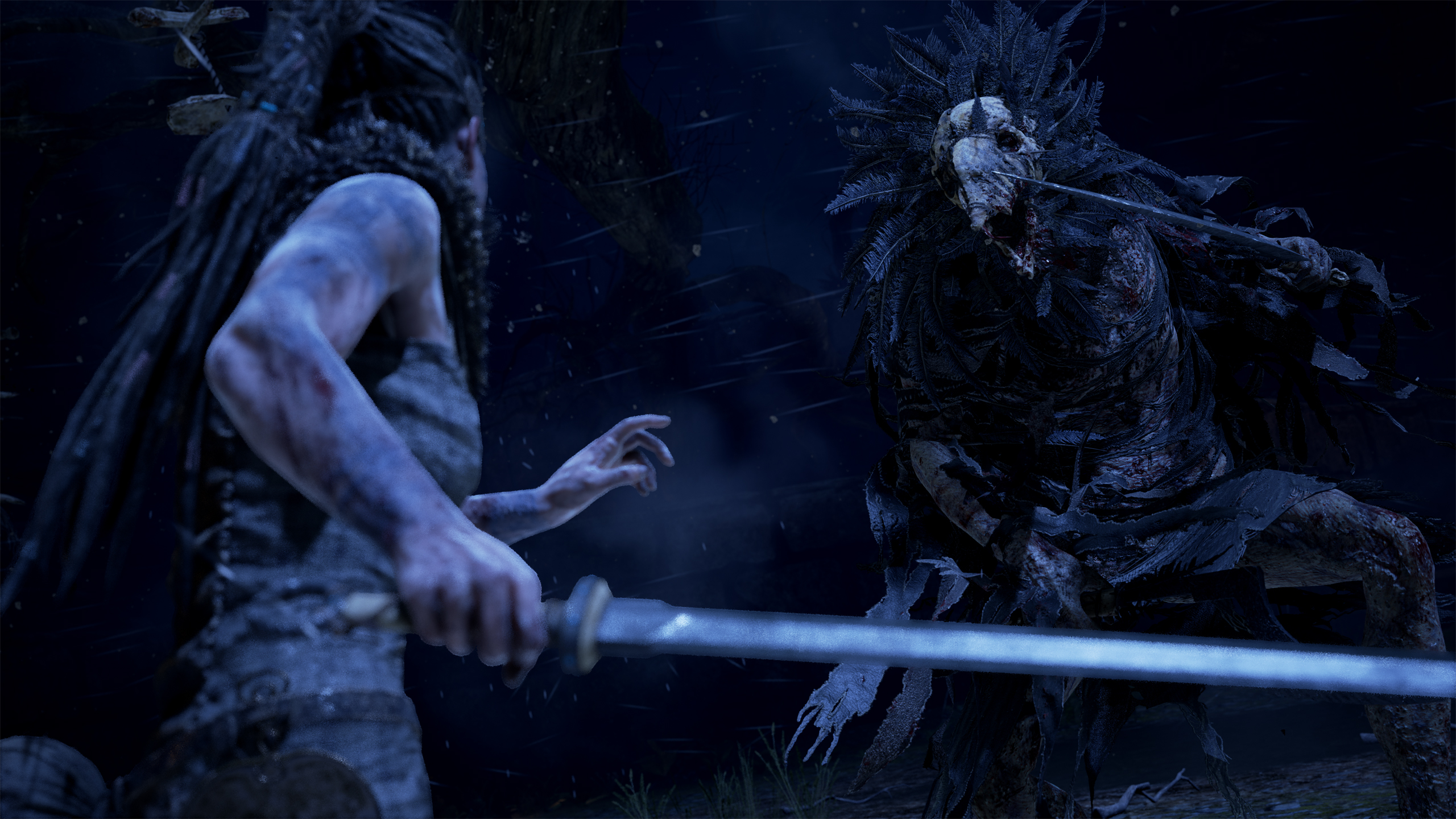
Valravn 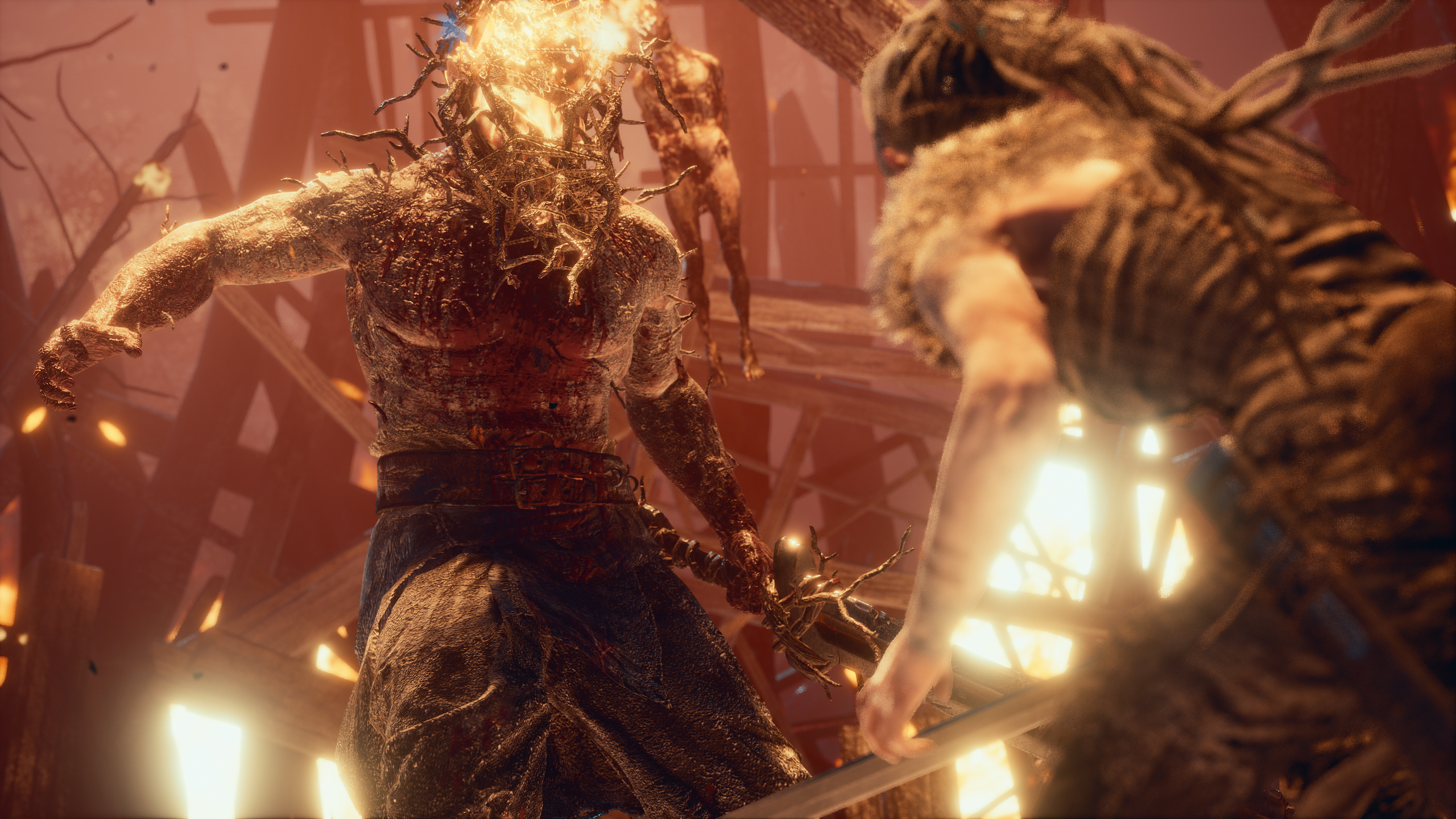
Surt 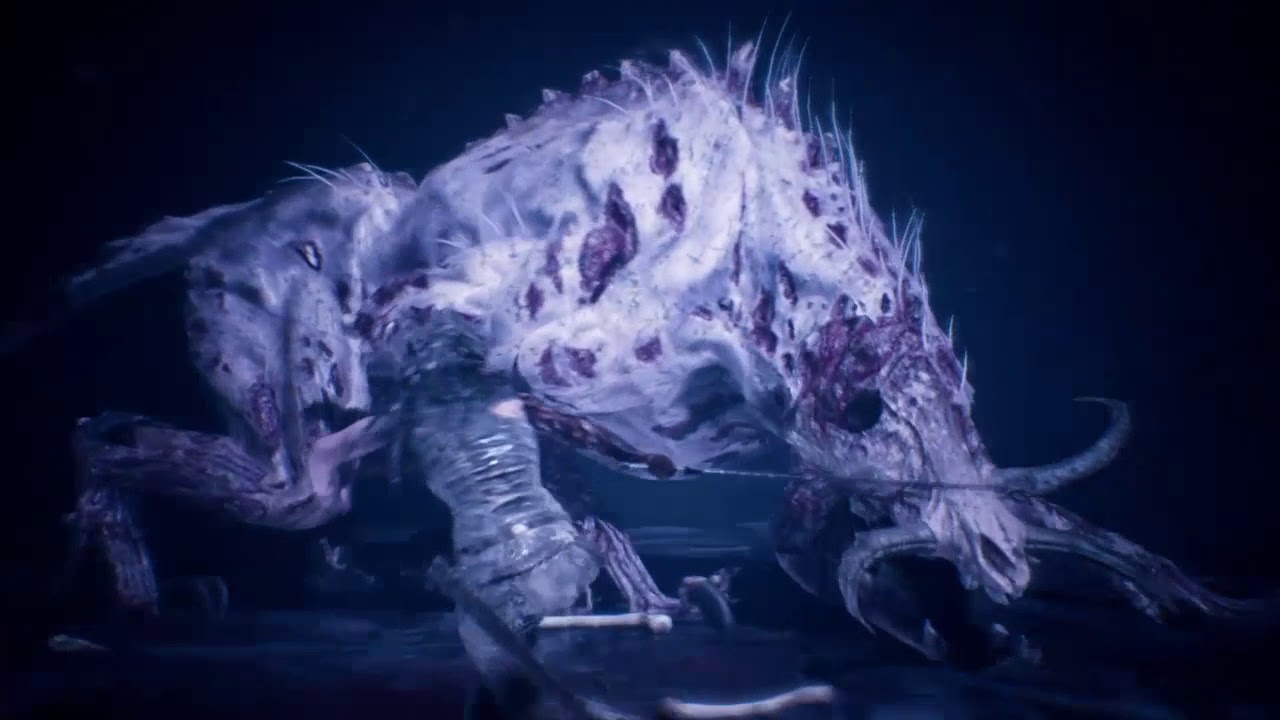
Fenrir 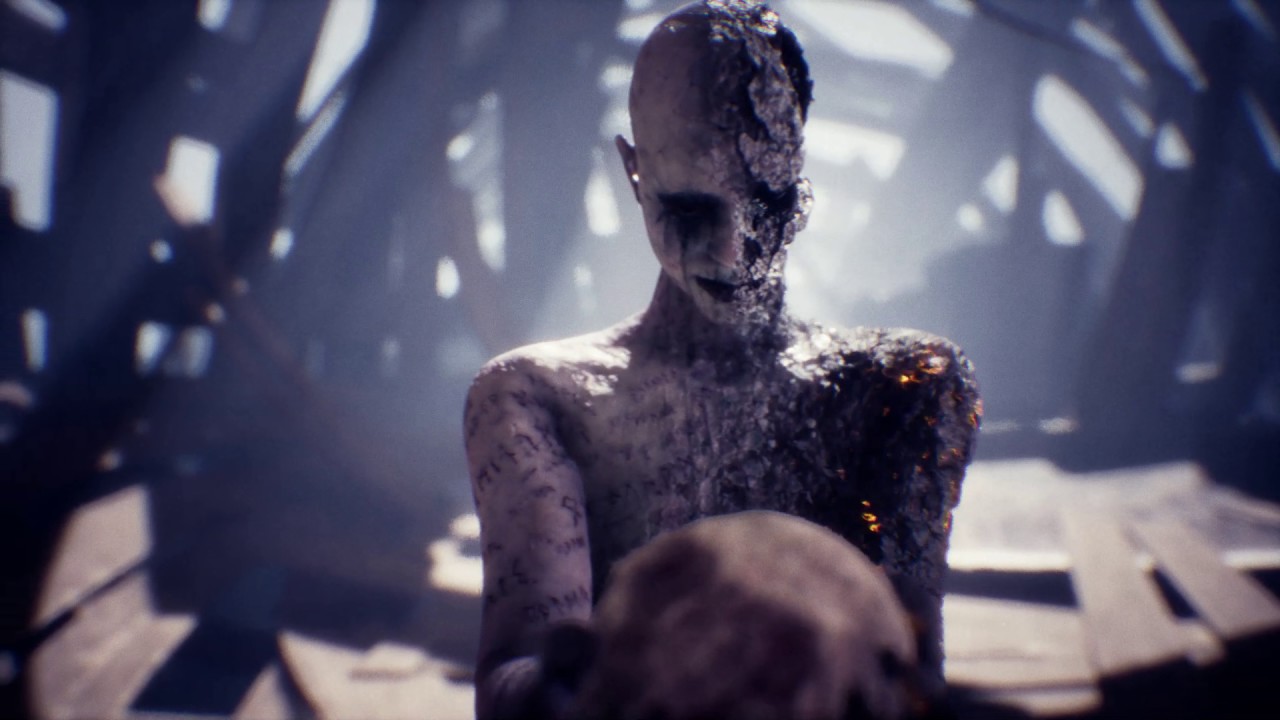
Hela
In addition, Hellblade features fights against malformed representations of Northmen who block her progression, including occasional bosses. During those fights, Senua has her sword drawn out, and is turned towards one of her enemies, on which the camera is automatically focused; she can use two kind of attacks, quick or heavy, kick an enemy to prevent it from blocking her attacks, parry, or dodge. She can also charge the opponent she is currently focusing on, to either get closer or directly attack or kick it. If she parries or dodges enough, she can use her focus ability in battle to move faster than her enemies or dissipate the shadows some of them are made of, which makes them impervious to regular attacks. Once she obtains Gramr, Senua can charge her heavy attacks for additional damage and parries more efficiently, both of which can allow her to use her focus ability. If Senua suffers a strong hit, or several hits in a row, she falls to the ground, and the player must press the corresponding button repeatedly as fast as possible before an enemy deals her a fatal blow; if she does not get back up in time, she dies. The closer she is to death, the harder it is for her to get back up; she can also die from a regular hit, if she was already very close to death.
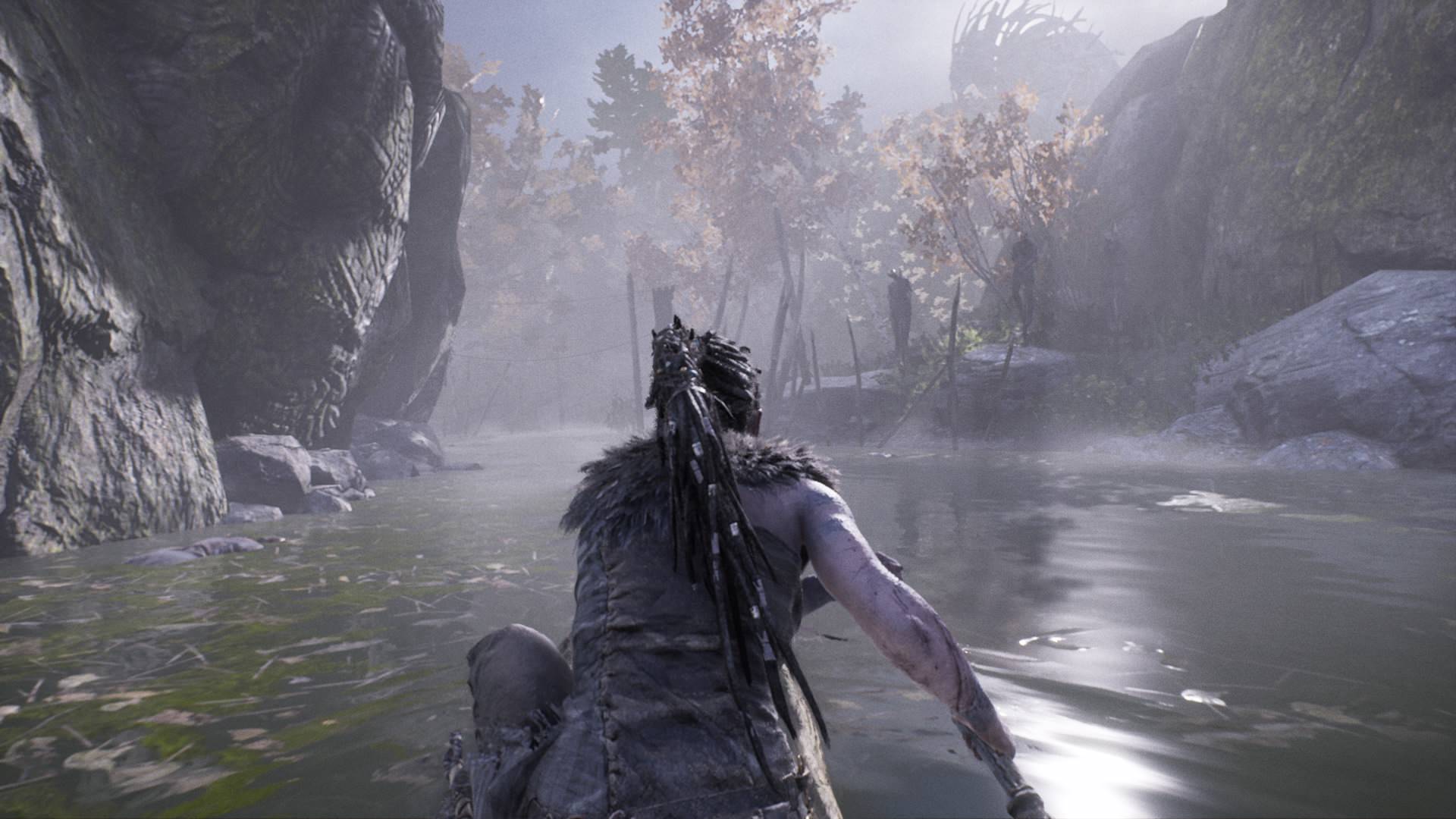
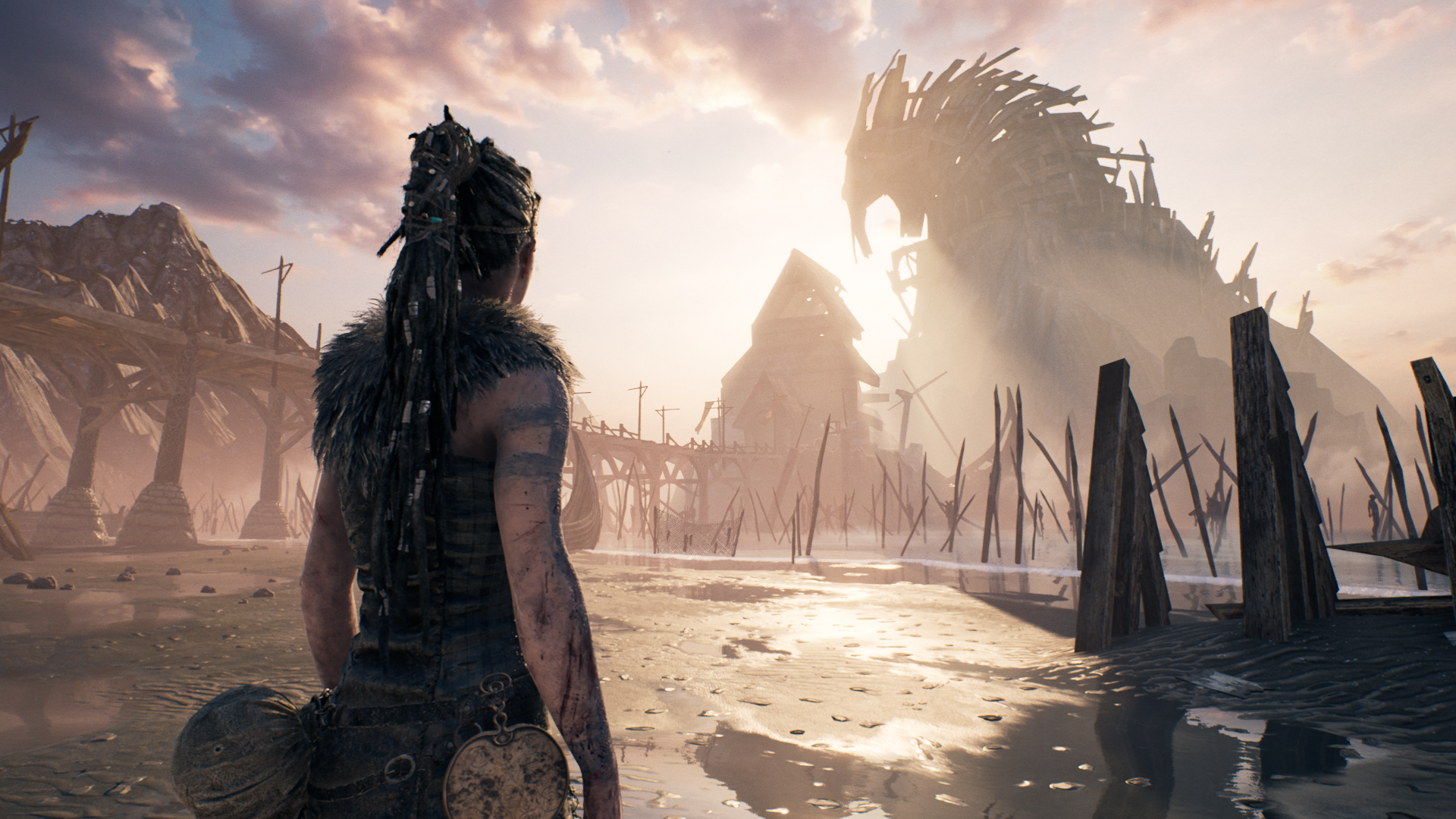
Hellblade does not feature any HUD or tutorials. Instead, Druth, Furies, or the Darkness, provide audio indications on game mechanics, and how to progress through levels and puzzles. The Furies also provide Senua advice in battle, notably warning her if an enemy is attacking from her back.They react when Senua takes damage, and panic heavily if she is close to death: how nervous they are when she takes a hit is representative of how much damage she can still take. The nature of most apparitions, events witnessed, or voices heard, is purposely left unclear, and can be interpreted as either an actual apparition by a spirit, a memory of Senua, or a trick created by the Darkness or one of the deceptive creatures she has to face. As such, the clues given during the game are not always reliable, except for Druth’s: certain Furies try to demotivate Senua, or give false indications such as telling her she took the wrong way, or that she is walking into a trap. Another core mechanic is the possibility of permadeath, which is meant to delete the player’s save data after they surpass a number of deaths.
Plot
Set in the late 8th century, the game starts with Senua, a Pict warrior from Orkney arriving at the border of Helheim in a quest to save the soul of her dead lover, Dillion, from the goddess Hela. Senua believes she suffers from a curse, and hears “Furies”, voices in her head commenting her every actions, notably one, the Narrator, who is aware of the player’s presence and talks to them. She is also followed by the Darkness, a dark entity at the core of the curse. She carries Dillion’s severed head to use it as a vessel to his soul, and is also guided by her memories of the stories of Druth, a former slave of the Norsemen well versed in their legends, now deceased, who became her friend and mentor during a year-long self-imposed exile. To enter Helheim, Senua defeats both the fire giant Surt and the spirit of illusions Valravn, but as she crosses the bridge to Helheim, is attacked by Hela, who defeats her with a single blow, shattering her sword. Barely surviving the encounter, she follows visions of Druth and a man-shaped light she believes to be Dillion to a great tree where she faces four challenges linked to her past, and is rewarded with the legendary sword Gramr, strong enough to kill gods.
Meanwhile, Senua’s backstory is unveiled through her hallucinations, revealing that her mother Galena suffered the same curse she did, but did not believe it to be dreadful. However, Senua’s devoutly religious father Zynbel did, and burned Galena alive. Senua witnessed the event at age five, which caused her psychosis to worsen significantly and led her to convince herself her mother died willingly. Her father, convincing her that her condition was a curse, abused Senua emotionally and physically and isolated her from the rest of the world until she met Dillion when he visited her village. The two fell in love, and Senua left her father to be with him, as he saw her as different and misunderstood instead of cursed. However, after a plague killed many in Dillion’s village, Senua, believing the fault to be hers, left in exile. When she returned a year later having hopefully left the Darkness behind, she found everyone killed by Norsemen who had invaded, sacrificing Dillion in a blood eagle to their gods.[ Remembering the stories of Druth, Senua departed on her journey to save Dillion’s soul from the gods of the Norsemen.
Ultimately, Senua fights against the influence of the Darkness and defeats the beast Garm. She then realizes the Darkness is a representation of her father’s abuse and beliefs, and frees herself from the Furies. Soon after, she faces a legion of Hela’s warriors in a hopeless fight, and is killed. In her final moments, she recalls Dillion telling her of the importance of the acceptance of loss. As the imagery of Helheim fades away, Hela drops Dillion’s head into the abyss, but as the camera returns to her, Senua is standing in her place, with a dead Hela in place of Senua’s body. Having accepted that it was never possible to bring her lover back, and that she is not responsible for his death or anyone else’s, Senua frees herself from the Darkness’ influence, and accepts the Furies not as a curse, but a part of who she is. She invites the player to follow her, while the Narrator says her goodbyes to the player.
The Verdict
Hellblade: Senua’s Sacrifice is a masterclass of atmosphere, storytelling, and the marriage of mechanical and conceptual design. While there are moments that feel shoehorned in to remind us we’re playing a videogame, the care and attention Ninja Theory has clearly poured into Senua and her story has created something amazing. This is a game everyone should play, and when you play the game you will go on a journey or adventure.
My Source:(https://www.wikipedia.org)
 Gaming Central